
Payment Facilitators: Essential Underwriting Tools
Why Payment Facilitators Payfacs Need Underwriting Tools
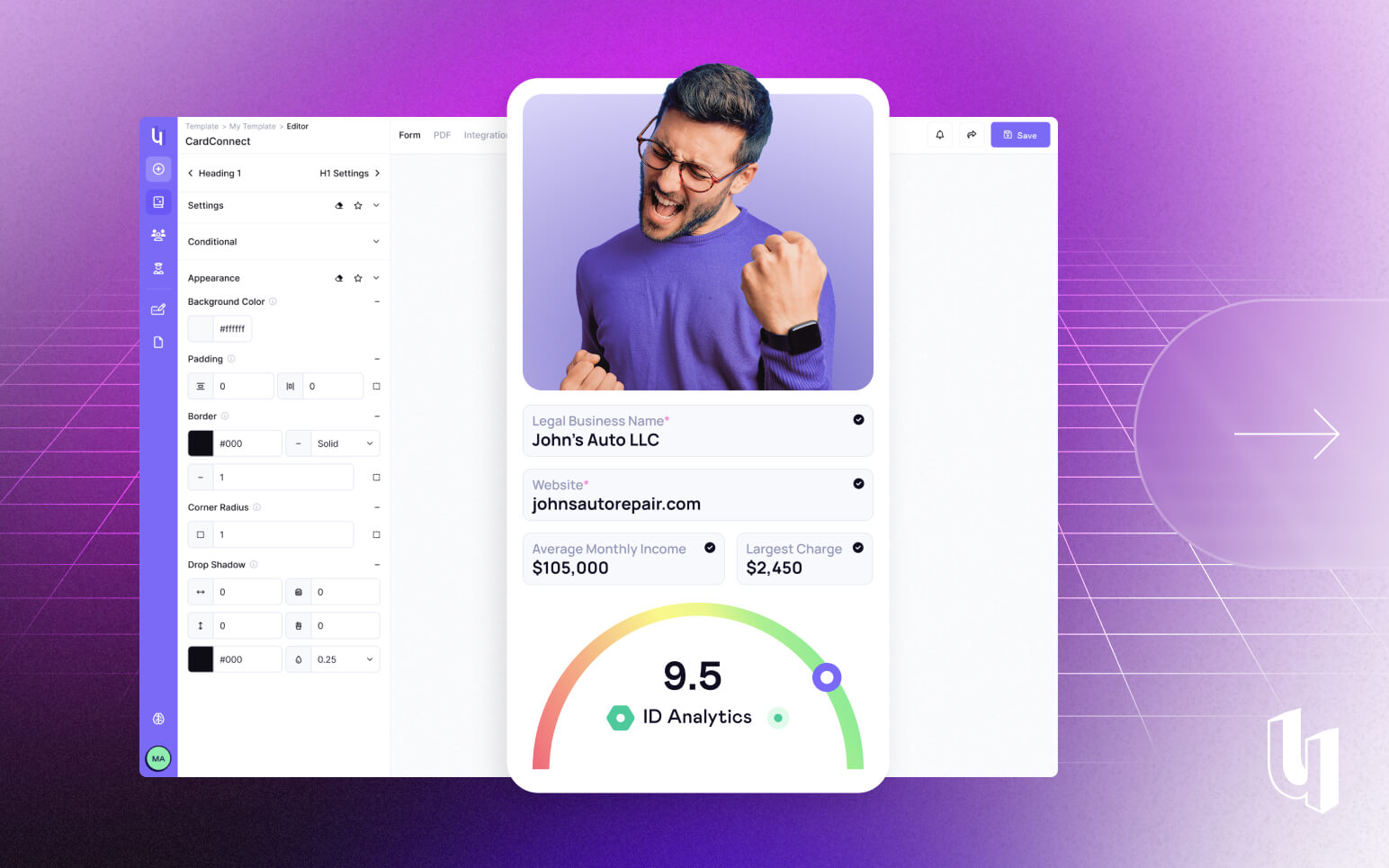
Payment facilitators, or Payfacs, play a crucial role in the payment ecosystem. They enable merchants to accept payments without needing a direct bank relationship. This streamlines the payment process, making it more efficient for businesses. However, with this convenience comes the challenge of managing risk. Underwriting tools are essential for Payfacs to assess and mitigate these risks. They help identify potential fraud and reduce chargebacks, ensuring smooth operations.
Risk assessment tools are integral to this process. They provide valuable insights and data analytics, enhancing decision-making. By integrating with payment processing software, these tools automate risk assessment, saving time and resources. In this article, we explore why underwriting tools are indispensable for Payfacs. We will delve into their features, benefits, and future trends.
Understanding Payment Facilitators and Their Role
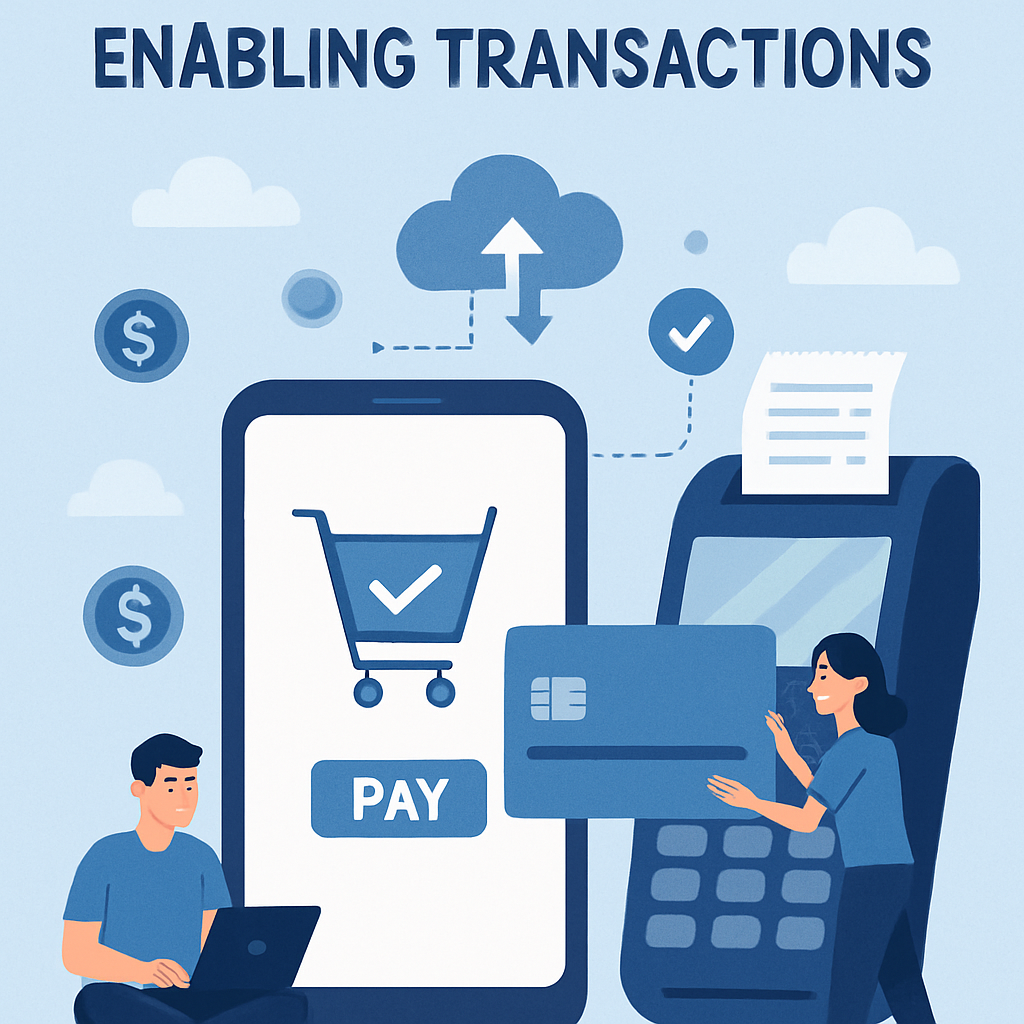
Payment facilitators streamline transactions between merchants and banks. They provide merchants a quick, efficient way to accept payments online. This role reduces the complexity merchants face in setting up payment systems.
Payfacs offer several advantages that benefit both small and large businesses. They remove the need for individual merchant accounts with banks. This makes the onboarding process faster and simpler for new merchants.
Here are some key roles of payment facilitators:
- Simplifying payment acceptance for merchants
- Reducing the need for direct bank interactions
- Enhancing transaction efficiency and speed
Payment facilitators also play an essential role in risk management. They monitor transactions to detect any suspicious activity. This layer of oversight helps in maintaining secure payment channels.
Being a payment facilitator requires understanding both technology and regulations. They must ensure compliance with financial laws and industry standards. By doing so, they protect not only themselves but also the merchants using their services.
The Importance of Underwriting in Payment Facilitation
Underwriting is crucial in evaluating merchant credibility and risk levels. Payment facilitators must assess a merchant's financial stability and transaction history. This protects them from potential fraud and financial losses.
Through underwriting, Payfacs can make informed decisions about merchant partnerships. They analyze various factors to gauge possible risks merchants may pose. This includes reviewing past chargebacks and identifying high-risk industries.
Advantages of a solid underwriting process include:
- Mitigating potential financial risks and fraud
- Enhancing trust with financial institutions
- Improving approval rates for merchant applications
Effective underwriting involves continuous monitoring and updating risk profiles. This is essential as market conditions and merchant activities change. Such diligence ensures that Payfacs manage ongoing risks adeptly.
Ultimately, underwriting supports the sustainable growth of payment facilitators. It helps balance the intricate dynamics of risk management and customer service. This balance is key to building long-lasting partnerships with merchants.
Key Features of Payment Facilitators Underwriting Tools
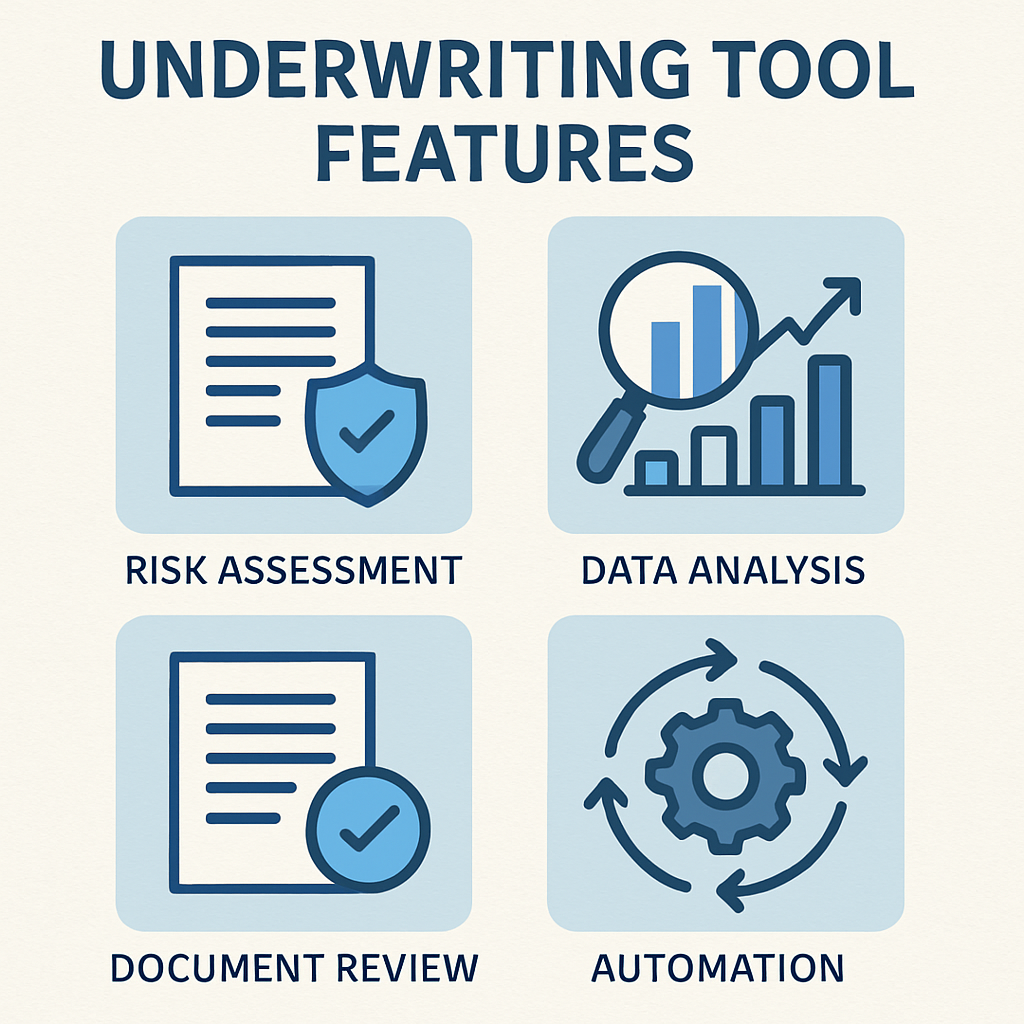
Underwriting tools are designed with features that streamline and enhance risk assessment. These tools are essential for payment facilitators to manage diverse merchant profiles. Each feature plays a critical role in maintaining an effective underwriting process.
One key feature is real-time transaction monitoring. This allows payment facilitators to detect unusual patterns swiftly. Quick detection helps mitigate potential fraud and financial loss immediately.
Advanced data analytics is another significant feature. These analytics provide deep insights into merchant operations. They help forecast risk and enable informed decision-making.
Other notable features include:
- Merchant risk segmentation
- Automated creditworthiness evaluation
- Integration with external databases for comprehensive profiling
Additionally, machine learning capabilities enhance predictive accuracy. They refine risk models by learning from past data. This helps payment facilitators stay ahead of emerging threats.
Finally, underwriting tools offer customizable dashboards for dynamic reporting. These dashboards provide valuable summaries of risk profiles and activities. They ensure payment facilitators have a clear view of their merchant relationships.
Together, these features make underwriting tools indispensable for Payfacs. They not only improve risk management but also support growth and innovation within the payment ecosystem.
How Risk Assessment Tools Enhance Merchant Onboarding
Risk assessment tools play a vital role in the merchant onboarding process. They ensure that only credible businesses are added to the payment facilitator's network. By doing so, these tools help in minimizing potential risks from the outset.
During onboarding, risk assessment tools evaluate a merchant's credit history. They look at transaction patterns and past behaviors. This comprehensive analysis helps identify if a merchant is likely to pose a high risk.
Moreover, these tools facilitate quicker onboarding processes. Automated assessments speed up decision-making. This means merchants can start processing payments faster, improving their experience.
Key advantages include:
- Quick merchant vetting
- Accurate risk profiling
- Streamlined onboarding workflows
Risk assessment tools also provide valuable insights for tailoring solutions. Payment facilitators can offer customized plans based on a merchant's profile. This personalization fosters better relationships and supports business growth.
Finally, these tools contribute to long-term stability. By ensuring a robust onboarding process, payment facilitators can consistently mitigate risks and maintain a strong network of merchants.
Integration with Payment Processing Software
Integration with payment processing software is crucial for underwriting tools. It ensures seamless operations and enhances overall efficiency. By combining these systems, payment facilitators can streamline their workflows.
Payment processing software supports various payment methods and transactions. When integrated with underwriting tools, it allows for real-time risk assessments. This ensures that transactions are secure and monitored continuously.
by Growtika (https://unsplash.com/@growtika)
These integrations offer several key benefits:
- Real-time transaction monitoring
- Automated risk assessment
- Improved fraud detection
Integrating underwriting tools with payment software also enables better data analysis. Facilitators can access comprehensive reports and insights, which assist in strategic decision-making. This data-driven approach enhances the facilitator's ability to manage risks effectively.
Ultimately, such integration helps balance risk management with a smooth customer experience. Payment facilitators can handle complex processes with greater ease and accuracy. This leads to faster transactions and enhanced merchant satisfaction, supporting business growth.
Benefits of Automated Underwriting for Payfacs
Automated underwriting offers numerous benefits for payment facilitators. It increases efficiency by reducing the time spent on manual processes. With automation, approval times are shorter, providing quicker onboarding for merchants.
By automating underwriting, Payfacs improve their accuracy. This leads to fewer errors and better risk management. Automation also minimizes human bias, ensuring fair assessments.
Automation helps in handling large volumes of data effortlessly. This capability is vital for Payfacs dealing with many merchants daily. The system can analyze data swiftly and make informed decisions.
Key benefits of automated underwriting include:
- Reduced operational costs
- Enhanced data accuracy
- Increased processing speed
Automated systems are also scalable. They can easily adapt to growing business needs without compromising performance. As a result, Payfacs can expand operations while maintaining risk management standards.
Moreover, automation supports compliance by continuously monitoring transactions. It helps Payfacs stay aligned with regulatory requirements, reducing the risk of non-compliance. This proactive approach leads to increased trust with financial partners and merchants alike.
Compliance, Security, and Regulatory Considerations
Payment facilitators must navigate a complex landscape of regulations. Adhering to compliance standards is crucial to avoid legal pitfalls. Underwriting tools are vital in ensuring that policies and procedures meet these standards.
Security is another critical aspect for Payfacs. Protecting sensitive data requires robust systems. Underwriting tools enhance security by monitoring transactions for fraudulent activities. Early detection reduces potential financial losses and keeps operations secure.
Regulatory requirements are ever-evolving. Staying compliant can be challenging without the right tools. Integrated underwriting systems keep Payfacs updated with changes in regulations.
Key considerations for Payfacs include:
- Anti-money laundering compliance
- Data protection protocols
- Transaction monitoring standards
By focusing on compliance, security, and regulations, Payfacs build trust and credibility. These elements are crucial for maintaining a strong reputation and ensuring long-term business success. Implementing underwriting tools that address these considerations can offer Payfacs significant advantages.
Best Practices for Implementing Underwriting Tools
Successful implementation of underwriting tools requires strategic planning. Payfacs should begin by assessing their specific needs. This helps in selecting the right tools that align with business objectives.
Training is a crucial part of the implementation process. Ensure that staff are well-versed in using the new systems. Regular training sessions can help in maximizing the tool's potential and efficiency.
Collaboration with stakeholders enhances the effectiveness of underwriting tools. Engaging with partners and merchants ensures seamless integration. It also fosters a proactive approach to risk management.
Consider the following best practices:
- Conduct thorough needs assessments
- Regularly train and update staff
- Engage stakeholders and partners
By following these best practices, Payfacs can optimize their use of underwriting tools. This ultimately leads to improved operations and better risk management outcomes.
The Future of Underwriting Tools for Payment Facilitators
The evolution of underwriting tools is set to revolutionize payment facilitation. Emerging technologies like AI and machine learning promise significant enhancements. These advancements offer improved predictive accuracy and risk assessment capabilities.
Future underwriting tools will likely feature advanced analytics and real-time monitoring. This will allow for quicker responses to potential risks and emerging threats. As technology evolves, the tools will become more adaptive to new payment trends.
Payfacs should prepare for these changes by investing in flexible, scalable solutions. Staying updated with technological advancements ensures a competitive edge. Consideration of future trends includes:
- Integration of AI and machine learning
- Focus on real-time data analytics
- Scalability to adapt to industry changes
By embracing innovation, payment facilitators can strengthen their operations. This will support growth and improve risk management strategies.
Conclusion: Building a Resilient Payment Ecosystem
Underwriting tools are indispensable for payment facilitators. They ensure risk is managed effectively and operations run smoothly. These tools help Payfacs maintain a balance between risk and user experience.
Implementing underwriting tools leads to improved compliance, security, and efficiency. As the payment landscape evolves, these tools will remain crucial. Payfacs leveraging advanced tools will be well-positioned for future challenges. This builds a robust and dynamic payment ecosystem.