
Top Third Party Underwriting Vendors for Payment Firms

Third party underwriting vendors for payments companies
In the fast-paced world of payments, managing risk is crucial. Payment companies face various challenges, including fraud and compliance issues. Third party underwriting vendors offer a solution.
These vendors specialize in assessing merchant risk profiles. They help payment companies mitigate third party risk effectively. By leveraging their expertise, companies can focus on core activities.
Vendor risk assessment is a key part of this process. It involves evaluating financial stability and security practices. This ensures that third party relationships are managed well.
Choosing the right vendor is vital for success. Experience, technology, and a strong track record are important factors. With the right partner, payment companies can enhance their operations and compliance.
The Role of Third Party Underwriting Vendors in Payments
Third party underwriting vendors play a vital role in the payments industry. They provide specialized expertise that payment companies often lack internally. This expertise is crucial for managing and understanding merchant risks.
By evaluating the creditworthiness and risk profile of merchants, these vendors help reduce financial and operational risks. They deploy advanced analytics and machine learning tools. This assists in identifying potential red flags and fraudulent activities.
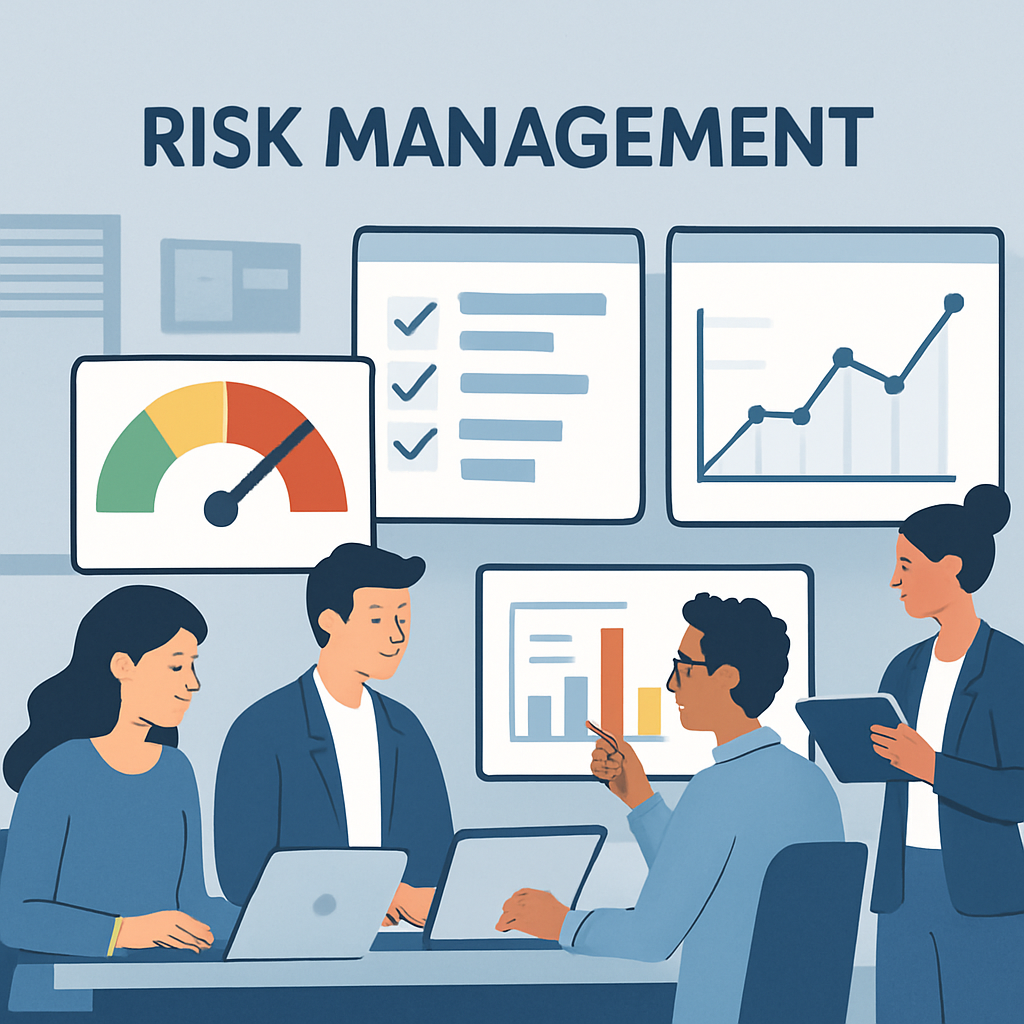
Choosing to work with third party vendors brings several advantages:
- Access to cutting-edge technology and analytics
- Improved compliance with industry regulations
- Enhanced ability to identify and mitigate risks effectively
A vendor’s experience and track record contribute to trustworthiness. Vendors bring insights that can elevate the risk management processes within payment companies.
Moreover, these vendors allow businesses to focus on growth. Payment companies can streamline their operations while ensuring compliance and risk mitigation. Thus, third party underwriting vendors are essential partners for sustainable business success in the payments sector.
Understanding Third Party Risk in Payment Processing
Third party risk is a major concern for payment companies. It encompasses various types of risks, including financial, operational, and compliance risks. These risks can have significant consequences for businesses if not managed effectively.
Financial risks arise when third party vendors fail to meet obligations. This can result in financial losses and affect the company’s bottom line. Operational risks involve disruptions in service, leading to delays or downtime.
Compliance risk involves failing to adhere to regulations and industry standards. It can result in hefty fines and damage to reputation. To address these risks, companies should focus on comprehensive risk management strategies.
Strategies for mitigating third party risk include:
- Conducting thorough due diligence
- Establishing clear service level agreements
- Continuously monitoring vendor performance and compliance
By understanding these risks, payment companies can enhance their risk management and maintain business integrity. Ensuring a strong grasp of third party risks helps in crafting better responses and safeguards for future challenges.
Key Elements of Vendor Risk Assessment
Vendor risk assessment is crucial for managing third party relationships effectively. It involves evaluating various aspects of a vendor's operations and performance. Understanding these key elements helps payment companies mitigate potential risks.
Firstly, assessing a vendor's financial stability is essential. Companies need vendors who can meet financial obligations consistently. A financially unstable vendor may pose significant risks.
Secondly, it's vital to examine a vendor’s security practices. Companies must ensure vendor data protection aligns with their standards. This includes evaluating cybersecurity measures and data protection policies.
Lastly, compliance history should be reviewed. This helps verify that the vendor adheres to industry regulations. Identifying past compliance issues can signal potential future problems.
Important elements of vendor risk assessment include:
- Financial stability review
- Security practices evaluation
- Compliance history examination
Thorough vendor risk assessment ensures that payment companies select reliable partners. This approach minimizes exposure to risks and enhances operational resilience. By focusing on these elements, companies can build stronger vendor relationships.
How to Select the Right Third Party Underwriting Vendor
Selecting the right third party underwriting vendor is vital for payment companies. The process can be complex, but focusing on key factors simplifies it. Careful evaluation helps mitigate future risks.
Start by examining the vendor's expertise and track record. An experienced vendor will understand industry nuances better. Look for those with a proven success history in payments. This experience ensures they can handle complex underwriting processes.
Next, consider the vendor's technological capabilities. Advanced analytics and machine learning are crucial. These technologies enhance risk assessment accuracy. A tech-forward vendor brings efficiency and scalability to your operations.
Additionally, assess the vendor’s adaptability. Payment companies evolve rapidly, and your vendor should keep pace. Flexible solutions will align with your growth needs and changing demands.
Here are important considerations:
- Vendor expertise and industry experience
- Use of technology for precise risk assessment
- Adaptability to changing business demands
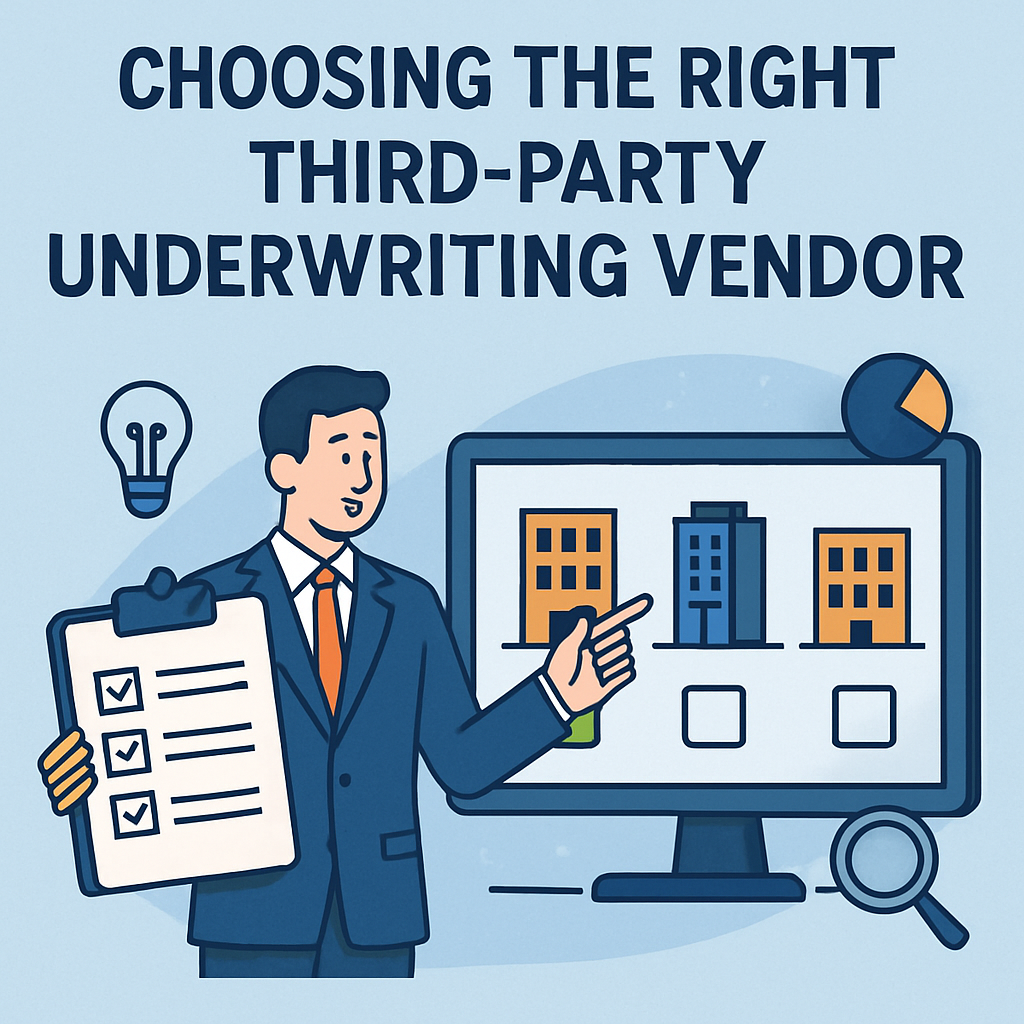
By prioritizing these factors, payment companies can ensure a beneficial partnership. The right vendor not only mitigates risks but also promotes growth and efficiency. Thus, making an informed choice is essential.
Best Practices for Managing Third Party Relationships
Effective management of third party relationships requires diligence and strategic planning. Establishing clear communication channels is crucial. Open lines foster trust and transparency, both key to long-term partnerships.
Regular performance reviews are essential. Evaluate vendors against established benchmarks. This helps identify areas needing improvement and confirms adherence to contractual obligations. It also ensures alignment with your company’s evolving goals.
Compliance monitoring should be ongoing, not sporadic. Continuous oversight detects potential issues early. This proactive approach minimizes third party risk and safeguards your reputation. Adapt strategies as your business and external environment change.
To manage third party relationships effectively, consider these best practices:
- Maintain clear communication with vendors.
- Regularly review vendor performance.
- Continuously monitor for compliance issues.
By adhering to these practices, payment companies can nurture robust vendor relationships. Strengthened partnerships contribute to growth, efficiency, and successful risk management. Implementing a structured approach ensures alignment and shared success.
Benefits of Using Third Party Underwriting Vendors
Utilizing third party underwriting vendors offers numerous advantages. These vendors bring specialized knowledge in risk assessment and fraud detection. They enhance a company's ability to process payments securely and efficiently.
Cost savings is a significant benefit. Instead of investing heavily in internal resources, companies can leverage vendor expertise. This approach also allows for scalability, as vendors offer solutions adaptable to varying business sizes and demands.
Moreover, using these vendors helps improve customer experience. Swift, accurate underwriting reduces transaction delays. It ensures smoother operations and greater customer satisfaction.
Key benefits of third party underwriting vendors include:
- Expert risk analysis
- Cost-effective solutions
- Enhanced customer service
By embracing these vendors, payment companies can focus on core operations. This strategy results in improved efficiency and competitive advantage. The right vendor partnership propels businesses forward in the fintech landscape.
Conclusion: Building a Secure and Scalable Payments Business
For payment companies, partnering with third party underwriting vendors is critical. These vendors not only reduce vendor risk but also optimize business operations. By selecting the right partners, companies gain an edge in risk management and compliance.
A robust vendor risk assessment is essential for maintaining security and growth. This ongoing process ensures that partnerships align with evolving business needs. With the right strategies and vendor relationships, payment companies can achieve both security and scalability. By focusing on these elements, they can build a strong foundation for future success in an increasingly competitive financial landscape.